5 Cost Factors of a Concrete Coating Project
Concrete coating cost depends on five things: concrete condition, product, prep, customizations, and size. Here is what each factor does to your project price.


Polyurea and polyaspartic are both premium concrete coatings, but they win on different things. Polyurea is the performance winner: tougher, more flexible, better adhesion, and longer lasting. Polyaspartic is the workability winner: easier to install, more UV stable as a topcoat, and lower VOCs. The best garage floor coating uses both, with polyurea as the basecoat and polyaspartic as the topcoat. That is exactly how Webfoot installs every floor.
Here is the full side-by-side breakdown.
Polyurea is a synthetic coating made by combining isocyanates with resin blends. The chemistry produces a flexible, durable surface that bonds with the moisture inside your concrete rather than just sitting on top of it.
Pure aromatic polyurea is the toughest concrete coating on the market. It is 4x stronger than epoxy, 10x more flexible, and forms a chemical bond with the slab that resists peeling and chipping. It cures fast, which is great for one-day installs, but also makes it harder to apply correctly. Professional installation is required to get the performance the chemistry can deliver.
The one weakness of aromatic polyurea is UV stability. Used as a topcoat in direct sunlight, certain varieties can yellow over time. That is the gap polyaspartic fills.
Polyaspartic is technically a subtype of polyurea with a slowed cure rate. The chemistry is similar, but the slower cure makes polyaspartic easier to apply, more forgiving for installers, and consistently UV stable when used as a topcoat.
Polyaspartic also has lower VOCs, which means less odor during installation and faster return to use. As a finish layer, it adds gloss, scratch resistance, and color stability that aromatic polyurea cannot match on its own.
The catch is that polyaspartic applied directly to raw concrete as a basecoat tends to form only a surface bond. Over time, that surface bond fails as concrete naturally expands, contracts, and cracks. Polyaspartic is excellent as a topcoat, weak as a standalone system.
If you measure raw performance, polyurea is the stronger material.
Pure aromatic polyurea is 4x stronger than epoxy and significantly stronger than polyaspartic alone. The chemical bond with concrete moisture means polyurea grips from within the slab, not just on the surface. In adhesion tests, the concrete itself fails before pure polyurea peels.
For a basecoat in a working garage, where the floor takes impact from dropped tools, rolling toolboxes, parked vehicles, and constant temperature swings, polyurea is the right base.
Concrete moves. It expands in summer heat, contracts in winter freeze, and develops hairline cracks over decades. A rigid coating fails along those movements. A flexible coating absorbs them.
Polyurea is 10x more flexible than epoxy and meaningfully more flexible than polyaspartic. That flexibility translates directly into lifespan. A pure polyurea system installed correctly lasts 15 to 20 years and often longer.
Polyaspartic alone lasts less than that, particularly when applied as a full system without a polyurea basecoat. It cures harder, which sounds like an advantage, but the rigidity becomes a liability over decades of concrete movement.
Aromatic polyurea is not UV stable. In direct sun, certain polyurea varieties yellow over time, which is a real concern for garages with windows, open doors, or exposure to bright Central Oregon sunlight.
Polyaspartic is consistently UV stable. Used as a topcoat, it locks in the color of the basecoat and the chip blend underneath, protecting the finish from sun fade for the lifetime of the floor.
For outdoor concrete, pool decks, patios, and garages with significant sun exposure, polyaspartic in the topcoat is the right choice.
Aromatic polyurea cures fast. That makes it great for one-day installs but unforgiving for installers. Mistakes cure into the floor.
Polyaspartic has a slower cure rate, which gives installers more working time per layer. It also has lower VOCs, meaning less odor during installation and a faster return to normal use.
For the topcoat layer, where installers need time to broadcast chips, smooth the surface, and apply evenly, polyaspartic is more forgiving than aromatic polyurea.
Pure aromatic polyurea is more expensive than polyaspartic per gallon. A coating that uses polyaspartic for the basecoat and topcoat is cheaper to manufacture and install than a pure polyurea system.
That is why most coating contractors offer polyaspartic floors. The upfront cost is lower, the install is easier, and the customer sees a glossy finish that looks great on day one.
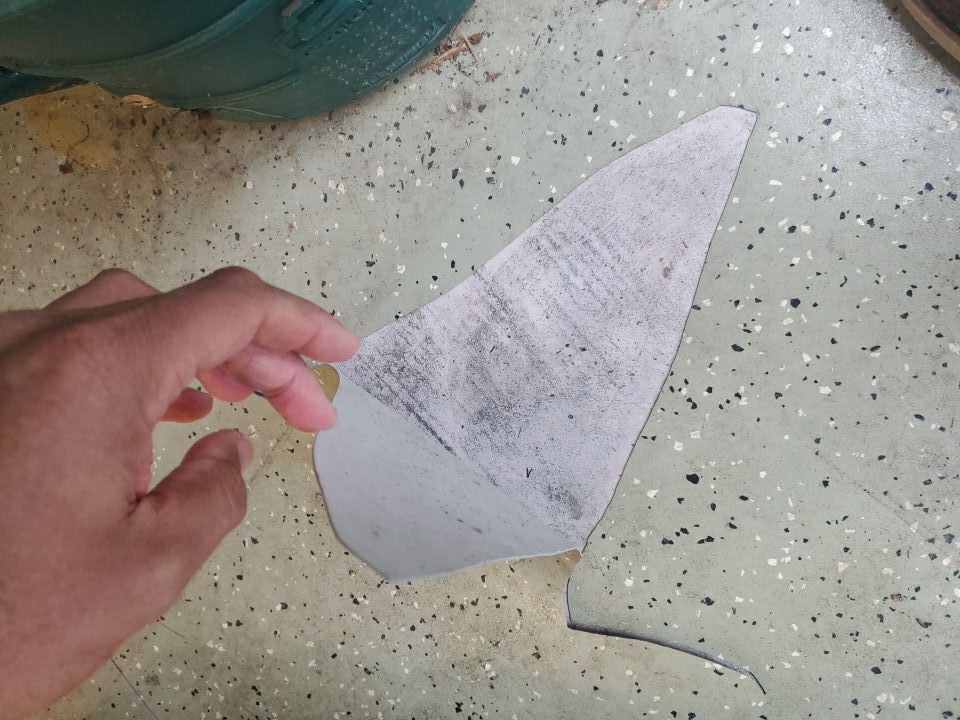
The tradeoff shows up in year three to five, when polyaspartic systems begin to delaminate from raw concrete because the basecoat could not form the chemical bond a polyurea basecoat would have.
The honest answer to the polyaspartic vs polyurea question is that the best garage floor coating uses both, in the right layers.
Webfoot installs every floor with an aromatic polyurea basecoat and a polyaspartic aliphatic polyurea topcoat. That combination gives you:
The strength and flexibility of pure polyurea where it matters most, bonded chemically into the slab.
The UV stability and color hold of polyaspartic where the floor meets sunlight.
The longer working time of polyaspartic for the topcoat layer where install precision matters.
The full lifetime warranty backing the entire system.
This is not a marketing position. It is the chemistry. A pure polyurea floor without a polyaspartic topcoat sacrifices UV stability. A pure polyaspartic floor without a polyurea basecoat sacrifices adhesion and lifespan. Combining them is the only way to get the full performance window both materials can deliver.
If a contractor offers you a pure polyaspartic floor, ask what the basecoat is. If the answer is polyaspartic on raw concrete, expect surface-bond failure within 3 to 7 years.
If a contractor offers you a polyurea floor without a polyaspartic topcoat, ask about UV stability. If your garage gets significant sun exposure, expect color shift over time.
If a contractor offers a hybrid system with a polyurea basecoat and a polyaspartic topcoat, that is what you want. That is what Webfoot installs.
The total cost will depend on the size of your floor, the condition of the existing concrete, your color and chip selections, and the prep work required. For a ballpark estimate in about 60 seconds, try our instant estimate tool.
The case against epoxy entirely: Polyurea vs Epoxy Garage Floor Coatings.
Why we tell every customer to skip epoxy: Why Garage Floor Epoxy Fails.
The full breakdown of epoxy disadvantages: 6 Reasons to Never Use Epoxy on Your Garage Floor.
A polyurea coating job in Bend: Garage Transformation in Bend OR.
Service page: Garage Floor Coatings in Bend Oregon.
Webfoot installs hybrid polyurea and polyaspartic concrete coatings year-round across Bend, Redmond, Sisters, and Sunriver. Free estimates, lifetime warranty, one-day install.
Get a free estimate or call 541-390-0590.