This Floor Has Game
See how Webfoot turned a Sunriver room into a half court with a custom polyurea coating, and how the same floor fits your gym, shop, or patio.


Every Central Oregon winter, the same thing happens. You pull into the garage, the snow melts off the car, and a gritty black sludge spreads across the floor. By March there is a stain in the shape of your parking spot and a fine grit you cannot sweep out of the pores.
Most articles about this will tell you road salt is the culprit. Here, they are wrong. Central Oregon does not salt its roads. It cinders them, and cinder damages a garage floor in a completely different way.
Bend and the surrounding communities spread crushed volcanic cinder on icy roads for traction. It is local, it is cheap, and it works. It is also abrasive in a way that salt is not.
Road salt attacks concrete chemically. It lowers the freezing point of water, drives more moisture into the slab, and accelerates the freeze and thaw cycle that cracks concrete from the inside. That is a real problem in Minneapolis and Chicago. It is not the problem here.
Cinder attacks concrete mechanically. It is sharp, angular volcanic rock, and your tires carry it into the garage by the pound. Then they roll over it. Every time you pull in and out, you are grinding crushed rock into the surface of your slab.
Add studded tires and it gets worse. Oregon's studded tire season runs November 1 through March 31, which is nearly five months of metal studs picking up cinder, carrying it inside, and pressing it into concrete under the weight of a vehicle.
Concrete looks solid. It is not. A bare slab is porous, and the surface layer is the softest part of it.
Abrasion. Cinder ground under a tire acts like coarse sandpaper. It wears the cement paste off the surface and exposes the aggregate underneath. Once that happens, the slab absorbs everything faster.
Staining. Volcanic cinder is dark and it is fine. Once it works into an open pore structure, it does not sweep out and it does not mop out. The gray shadow in the middle of an older garage floor is usually years of ground-in cinder.
Moisture and freeze damage. This is where it overlaps with the salt problem. Snowmelt carries cinder into the pores, water sits in the slab, and overnight temperatures drop below freezing. Water expands as it freezes. Do that a few hundred times across a winter and the surface starts to flake, which is called spalling.
The cycle compounds. An abraded surface absorbs more water. More water means more freeze damage. More freeze damage means a rougher surface that traps more cinder. Bare concrete does not stabilize. It gets worse every winter.
Free, and it is what most garages get. The slab absorbs cinder and moisture all winter, loses surface every spring, and reaches the point where coating it requires grinding and repair before anything else can happen. Doing nothing is not free. It is deferred.
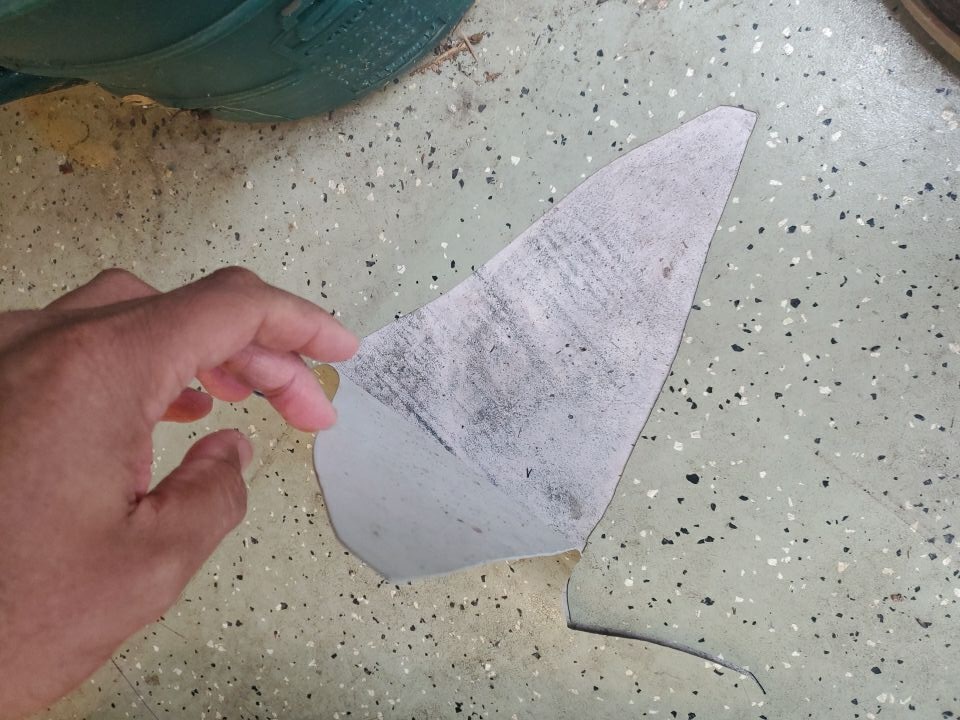
Easy to buy, easy to roll on, and genuinely better than nothing. The problem is that an acrylic sealer forms a thin film on top of the concrete rather than bonding into it. Cinder under a tire goes through that film quickly. Sealers also lose their sheen in cold weather, need reapplication every year or two, and are a nuisance to remove once they start to fail.
A real step up, and worth knowing about because they solve a different problem. A good containment mat catches snowmelt, cinder, and grit before any of it reaches the slab, and it keeps the floor dry, which matters if you are worried about slipping.
Their limits are practical. They get heavy once they are full of water. They only protect the area they cover, so the tire tracks between the mat and the garage door still take the abuse. They hold odor after a season of trapped moisture and grit. And they need replacing.
If you are not ready for a coating, a containment mat under each vehicle is the best interim move you can make. It is not permanent protection, but it stops the worst of the grinding.
This is the only option that solves the problem rather than managing it.
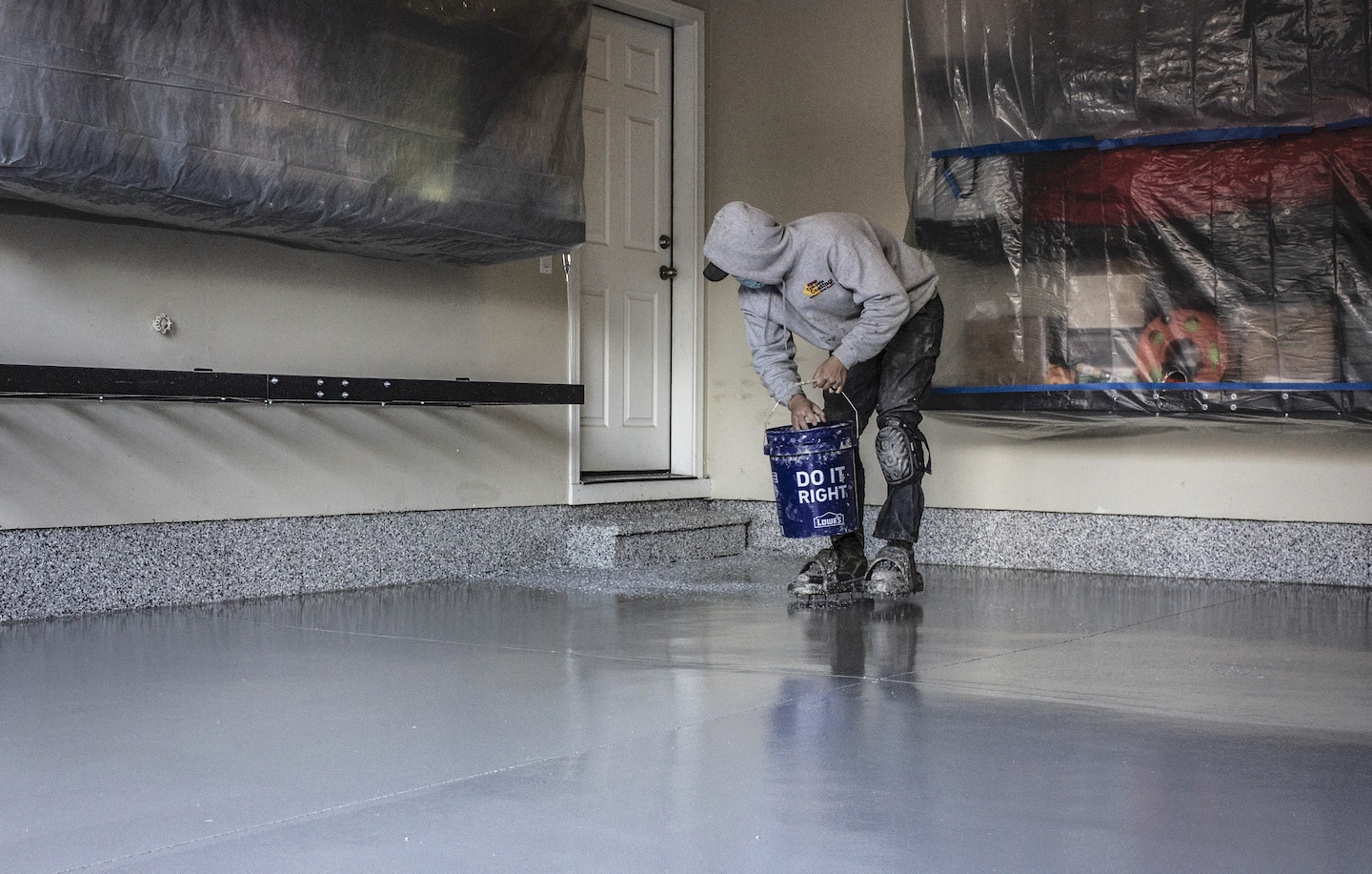
A polyurea coating bonds chemically into the slab rather than sitting on top of it, so there is no film for cinder to wear through. The surface is non-porous, which means cinder and snowmelt have nowhere to go. You sweep it, or you hose it, and the floor looks the way it did in October.
Polyurea is also flexible in a way epoxy is not. Epoxy gets brittle below about 50 degrees and cracks under the movement that freeze and thaw cycles put into a slab. Polyurea stays flexible across the temperature range a Central Oregon garage actually sees, which is why we use a polyurea basecoat with a polyaspartic topcoat on every floor we install.
If you want the full technical comparison, we broke down all four coating types in the best garage floor coating for 2026.
Yes, and this is the part most homeowners get wrong.
The assumption is that coatings are a summer job. That is true of epoxy. Epoxy will not cure properly below about 40 degrees unless it is specially formulated, and getting it to work in a cold garage means heating the space and babysitting the cure between coats.
Polyurea does not have that problem. It cures through a chemical reaction rather than by evaporation, and it can be installed at temperatures well below freezing. We adjust the mix for cold conditions and install garage floors through the winter every year.
Your garage is an indoor space. Unlike exterior painting or deck building, which stop when the weather turns, a garage floor coating is a winter job as easily as a summer one. The one exception is exterior concrete. We cannot coat a patio or driveway that is under snow.
Most garages are a single-day install. Walk on it in 12 hours, move your things back in after 24, park on it after 48. Compare that to the five to seven days an epoxy system needs to cure, and winter starts to look like the easier season rather than the harder one.
Three reasons, and none of them are a sales pitch.
You can see the problem. In July your garage floor looks fine. In January the cinder stains, the spalling at the door, and the gray tire tracks are all in plain view. It is much easier to decide when the damage is in front of you.
The damage is happening right now. Every week you wait is another week of studded tires grinding cinder into a bare slab. Coating in April means protecting a floor that just took a full season of abuse. Coating in November means protecting it before.
Our calendar is open. Exterior work in Central Oregon runs roughly April through October, and those months fill up. Winter is when we have the most flexibility on scheduling, which means you pick the date rather than taking what is left.
No. Salt damages concrete chemically by driving moisture into the slab and worsening freeze and thaw cycles. Cinder damages it mechanically through abrasion, grinding the surface layer off as tires roll over it. Both end in a damaged floor, but the mechanism is different, and most advice written about winter garage floors assumes salt.
Yes. Polyurea cures through a chemical reaction rather than evaporation, so it sets properly in cold conditions. We adjust the mix for the temperature and install through the winter. Epoxy is the system that struggles in cold, which is where the myth comes from.
A containment mat under each vehicle catches most of the snowmelt before it reaches the slab, and it is the cheapest meaningful step. A coated floor solves it more completely, because the surface is non-porous, water stays on top where you can squeegee or sweep it out, and nothing soaks in.
Not in the way it damages bare concrete. A polyurea and polyaspartic system is far harder than cement paste and it is not porous, so cinder sits on the surface instead of grinding into it. Sweep it out and the floor is clean. On a bare slab that same cinder is working its way in.
Almost never. Surface damage, spalling, and old stains are normal starting conditions. We grind the slab to a clean profile and repair cracks and pitting as part of the prep, which is the majority of the work on any coating job. A floor that looks past saving is usually the one that benefits most.
A professionally installed polyurea and polyaspartic system runs 15 to 20 years in Central Oregon conditions and carries a limited lifetime residential warranty against chipping, peeling, and delamination. Epoxy in the same garage typically needs replacing in three to five years.
Webfoot installs polyurea garage floor coatings year round across Bend, Redmond, Sisters, Sunriver, La Pine, and Prineville. One day installs, free estimates, and no pressure.
See our garage floor coating service or request a free estimate. You can also call 541-390-0590.